Category: Teacher Personal Development
Personal development is an essential part of becoming a confident, reflective and authentic teacher. Beyond teaching methods and subject knowledge, your personality, communication style and emotional awareness shape the way you connect with students and colleagues.
This category explores how teachers can strengthen their professional identity through self-reflection, emotional intelligence and personal growth.
Explore topics including:
– Self-reflection and personal growth for teachers
– Emotional intelligence and self-awareness
– Communication skills and conflict resolution
– Confidence, authenticity and professional identity
– Understanding personal behaviour patterns
– Building positive relationships in the classroom
– Developing a reflective teaching practice
Becoming a more confident teacher does not mean being perfect. It means recognising your strengths, understanding your emotional triggers and learning to respond more consciously in challenging situations.
By exploring your own beliefs, habits and personality patterns, you can develop greater clarity, strengthen your relationships and create a more supportive learning environment.
The book My Ego is on Holiday offers an accessible approach to this process. Through relatable personality patterns and practical self-reflection, it encourages you to understand yourself better and bring greater calm, confidence and authenticity into your professional and personal life.
How to Not Take Criticism Personally as a Teacher – deal with criticism more calmly

Criticism from parents, students or colleagues can stay with you long after a conversation ends. Learn why teachers sometimes take criticism personally and how self-reflection can help you respond more calmly and confidently.
Personality test for teachers – What type of teacher are you?
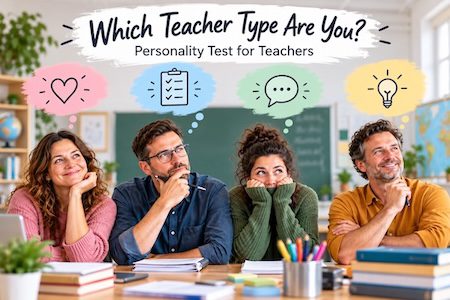
What sort of teacher are you? Answer 12 questions about everyday school life and find out which patterns of thought and behaviour you display most frequently.
Dealing with difficult pupils: Why some pupils set us off
Some pupils get on our nerves more quickly than others. But why does certain behaviour affect us so much? Find out how your own expectations and reaction patterns influence the way you deal with difficult pupils – and how you can respond with greater confidence.
Your personality as a teacher
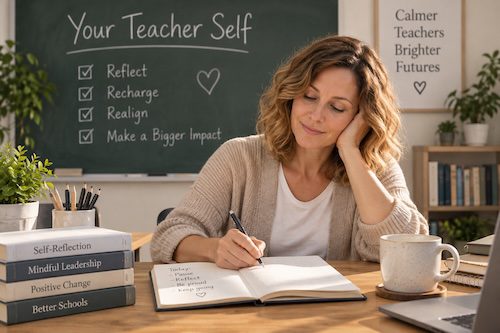
There’s that moment after a gruelling lesson when you ask yourself: ‘Was it down to the class – or was it me?’ Perhaps you felt a bit on edge inside. Perhaps you reacted professionally – but inside you were seething. Perhaps you felt you had no control over the situation. This is precisely where it…
Soft Skills Book for Teachers: Hands-on, entertaining, and practical for everyday use
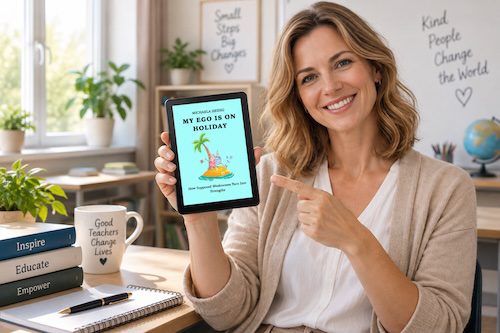
Soft skills enhance everyday school life: they help teachers communicate more clearly, resolve conflicts confidently and maintain their composure. This book offers practical guidance on how to achieve self-reflection, mindfulness and personal development – step by step, in a way that works in everyday life, and with plenty of ‘aha’ moments.
Emotions in the classroom – how teachers can remain composed, communicate clearly and develop inner strength

Emotions shape every teaching situation – whether consciously or unconsciously. If you learn to recognise and manage your own reactions more clearly, you will gain greater composure, presence and impact. Emotional intelligence strengthens your teaching skills and helps you to remain confident even in challenging situations.
Pupil feedback at school: the key methods for effective feedback

Feedback from pupils is one of the most powerful tools for improving teaching, strengthening relationships and making learning processes more transparent.When teachers seek feedback in a structured way, it fosters a culture in which learning is shaped collaboratively – clearly, respectfully and on an equal footing. Pupil feedback – why feedback from pupils is so…
Soft skills for teachers: the key skills for successful teaching

Soft skills are more crucial than ever for teachers today. Empathy, communication and self-reflection make the difference between simply imparting knowledge and genuinely building relationships. Empathy, in particular, boosts motivation, trust and a sense of community within the class – and is therefore often more effective than even the most perfect teaching method.
Self-reflection exercises for teachers
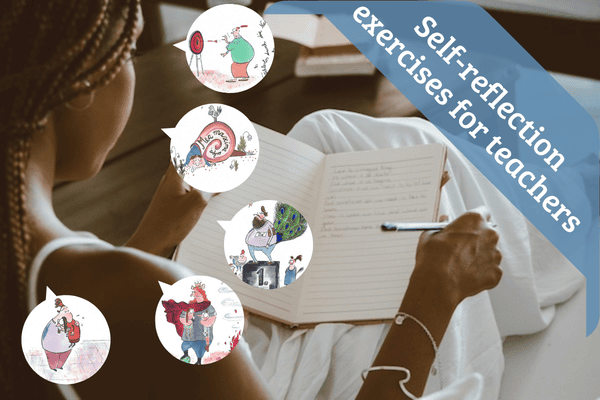
Self-reflection exercises for teachers strengthen your professional approach, reduce stress and promote clarity in your day-to-day school life. Using scientifically proven methods, you’ll learn simple steps to recognise patterns, act more mindfully and lead with greater composure – without taking up any extra time.
Self-reflection for teachers – The ultimate guide

Self-reflection is one of the most important skills for teachers today Self-reflection is one of the most important skills in the teaching profession – it determines whether you respond confidently, communicate clearly and do not let yourself be overwhelmed by expectations or pressure. You’ll find a comprehensive collection of exercises, reflection questions and academic background…


